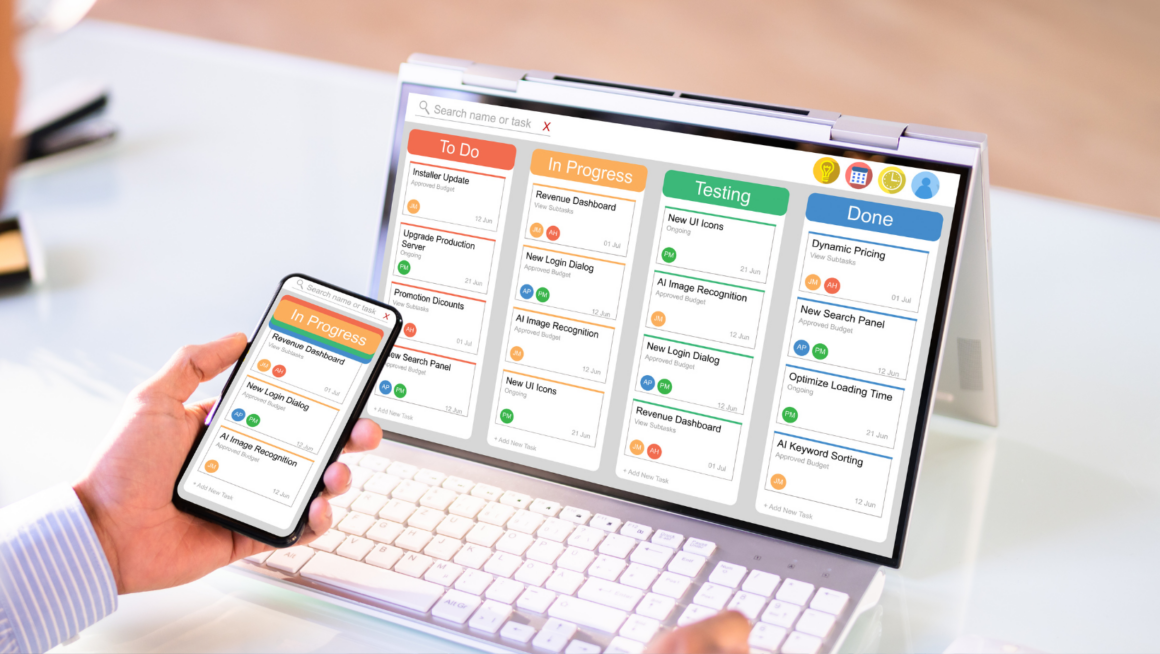
TryChitter maximize construction efficiency center helps teams cut delays and reduce costs. The platform gathers site data, shows live dashboards, and highlights bottlenecks. It lets managers act fast, crews follow plans, and suppliers sync deliveries. This introduction sets the goal: explain how TryChitter tools change scheduling, materials, equipment use, metrics, and team practices so projects run faster and safer.
Key Takeaways
- TryChitter Maximize Construction Efficiency Center centralizes project data to cut delays and reduce costs effectively.
- Live dashboards and real-time alerts enable managers to quickly address bottlenecks and synchronize team efforts on-site.
- The platform streamlines scheduling by linking tasks to crews, materials, and equipment, preventing conflicts and minimizing work stoppages.
- Role-based training and safety protocols integrated into TryChitter improve team confidence and reduce errors during project execution.
- By providing unified data access and predictive alerts, TryChitter enhances forecasting, reduces overtime, and supports stronger margin control.
What Is TryChitter’s Efficiency Center And Why It Matters
TryChitter’s Efficiency Center collects project data from sensors, apps, and schedules. It stores plans, logs, and delivery details in one place. Project leaders view that data on unified dashboards. The center flags delays and cost trends. It helps teams prioritize tasks and reassign crews when needed. Owners get clearer forecasts and fewer surprises. Contractors reduce idle time and lower overtime costs. Subcontractors receive timely instructions and fewer change orders. Safety officers see incident patterns and address hazards quickly. Investors see stronger schedule adherence and better margin control. The center acts as a single source of truth for field operations.
Streamlining Workflow With Centralized Data And Real-Time Dashboards
TryChitter centralizes reports, drawings, and sensor feeds so teams stop chasing information. The platform syncs updates and pushes alerts to responsible staff. Managers use dashboards to compare planned versus actual progress. They run daily checks and adjust labor or equipment as needed. The system stores historical data to show recurring delays and their root causes. Teams reduce meetings because decision data appears in dashboards. Foremen access checklists and signoffs on mobile devices. Finance teams pull verified progress for accurate invoicing. Audits become simpler because the platform keeps an auditable record of who changed what and when.
Optimizing On-Site Operations: Scheduling, Materials, And Equipment
TryChitter ties schedules to resource pools and delivery windows. Planners create phased schedules and link each task to required crews and machines. The platform highlights schedule conflicts and suggests alternative timings. Site supervisors confirm crew assignments and report progress from mobile devices. Materials teams scan deliveries and log quantities into the system. The center matches inventory to tasks and warns of shortfalls earlier. Equipment managers track asset location, hours, and maintenance due dates. Predictive alerts flag equipment that needs service before failure. The result: fewer work stoppages, fewer rush orders, and steadier daily output.
Empowering Teams: Training, Communication, And Safety Protocols
TryChitter provides role-based training modules and records completion. Supervisors assign short micro-lessons before crews start work. The platform links training status to task assignments so only certified workers receive certain duties. It standardizes safety checklists and forces signoff on critical steps. Incident reports enter the system immediately and trigger required follow-ups. Managers analyze trends to adjust procedures or training content. Crew members see simple instructions and diagrams on mobile devices. This clarity reduces errors and speeds handoffs. Teams feel more confident because they know expectations and see real-time support.