
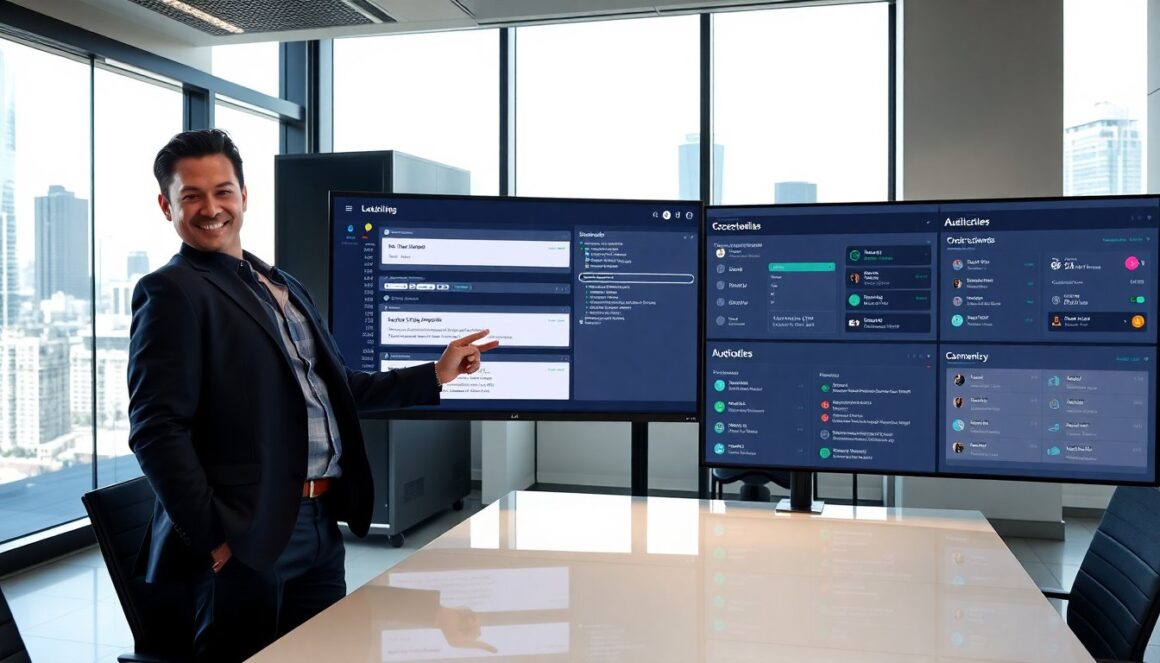
Panda CMD Scheduler Treploychtr‚Äã helps automate command tasks on servers and workstations. It runs commands on a schedule. It logs results and reports status. It reduces manual work and limits human error. The guide shows what the tool is, how to install it, how to create jobs, and how to fix common issues. The text uses clear steps and short sentences.
Key Takeaways
- Panda CMD Scheduler Treploychtr automates command tasks on Windows and Linux with scheduled execution, logging, and alerting to reduce manual work and errors.
- The tool supports cron or ISO interval scheduling, job dependencies, retries, concurrency limits, and secure credential management for reliable task automation.
- Installation involves placing binaries, configuring log and notification settings, enabling TLS, and verifying connections with SSH or WinRM.
- Jobs are defined in YAML or JSON files with commands, schedules, environments, and can be managed or tested via a CLI with live log streaming.
- Troubleshoot by checking permissions, validating schedule syntax, testing network credentials, adjusting timeouts, and using alerts to handle repeated failures.
- Best practices include rotating logs, backing up configs, encrypting credentials, staging changes before production, and training staff for incident response.
What Panda CMD Scheduler Treploychtr Is And When To Use It
Panda CMD Scheduler Treploychtr‚Äã is a command-line scheduler for Windows and Linux. It reads a simple job file. It runs shell or PowerShell commands at set times. It stores logs in plain text. It sends simple alerts by email or webhook. An operator uses it when cron or Task Scheduler lack needed features. An operator also uses it when they need repeatable, script-driven tasks with minimal UI. The scheduler handles dependencies, retries, and exit-code checks. The scheduler keeps job history and rotates logs. It supports parallel jobs and limited concurrency per host. Teams pick Panda CMD Scheduler Treploychtr‚Äã when they want a lightweight, script-first tool that works over SSH or WinRM. The tool fits CI/CD scripts, nightly maintenance, and data pulls. It fits edge devices and cloud VMs. It does not try to replace full orchestration platforms. It focuses on reliable command runs and clear audit trails.
Install, Configure, And Verify Your Environment
The installer ships as a binary and a package for common distros. On Linux, the admin downloads the tar and extracts the binary to /usr/local/bin. On Windows, the admin places the exe in Program Files and adds it to PATH. The operator creates a config file in /etc/panda-cmd or C:ProgramDataPandaCMD. The config holds log paths, default timeout, and notification settings. The operator sets credentials in a secure file and limits file permissions. The operator configures an SMTP or webhook endpoint for alerts. The operator enables TLS for remote connections. The operator tests connectivity with the built-in check command. The check command validates SSH keys and WinRM settings. The operator runs a dry-run to confirm parsing and scheduling logic. The operator starts the service with systemd or the Windows service manager. The operator verifies startup with the status command. The operator checks the first scheduled run and inspects the log file. The operator adjusts time zone and daylight saving settings if needed.
How To Create, Schedule, And Manage Jobs
A job file uses YAML or JSON. The operator writes a job block with id, command, schedule, and retries. The schedule uses cron syntax or an ISO interval. The operator includes a user field for run-as identity. The operator sets environment variables inline. The operator sets max-runtime and retry-count. The scheduler validates the job before save. The operator saves the file to the jobs directory. The scheduler picks up new files automatically or after a reload command. The operator uses the CLI to list and view jobs. The CLI shows last run time, exit code, and runtime. The operator can pause or enable a job with the CLI. The operator can run a job manually for testing. The scheduler streams live logs for an active job. The operator configures dependency rules so job B waits for job A success. The operator sets concurrency limits to avoid overload. The operator tags jobs and filters lists by tag. The operator archives completed job runs and prunes old records. The operator rotates output logs by size or date. The operator secures secrets with the built-in vault or an external secret store. The operator audits job changes via a simple history log.
Common Problems, Troubleshooting Steps, And Best Practices
A common problem is permission denial. The operator checks file and account permissions first. The operator runs the job manually to view the error. The operator checks the scheduler log for stack traces. A second problem is wrong schedule syntax. The operator validates cron expressions with the test command. The operator confirms time zone settings next. Network failures cause remote job errors. The operator tests SSH or WinRM with the same credentials outside the scheduler. The operator increases timeouts for slow networks. The operator sets retries and backoff for flaky endpoints. The operator addresses resource overload by lowering concurrency and adding host labels. The operator enables alerting on repeated failures. The operator rotates logs and prunes history to save disk. The operator keeps the binary updated and reads changelogs before upgrades. The operator uses staging to test major config changes. The operator backs up job files and the config before edits. The operator encrypts credentials and limits access. The operator documents common run commands and recovery steps. The operator trains one or two on-call people to handle incidents quickly. The operator measures success by reduced manual runs and faster recovery.